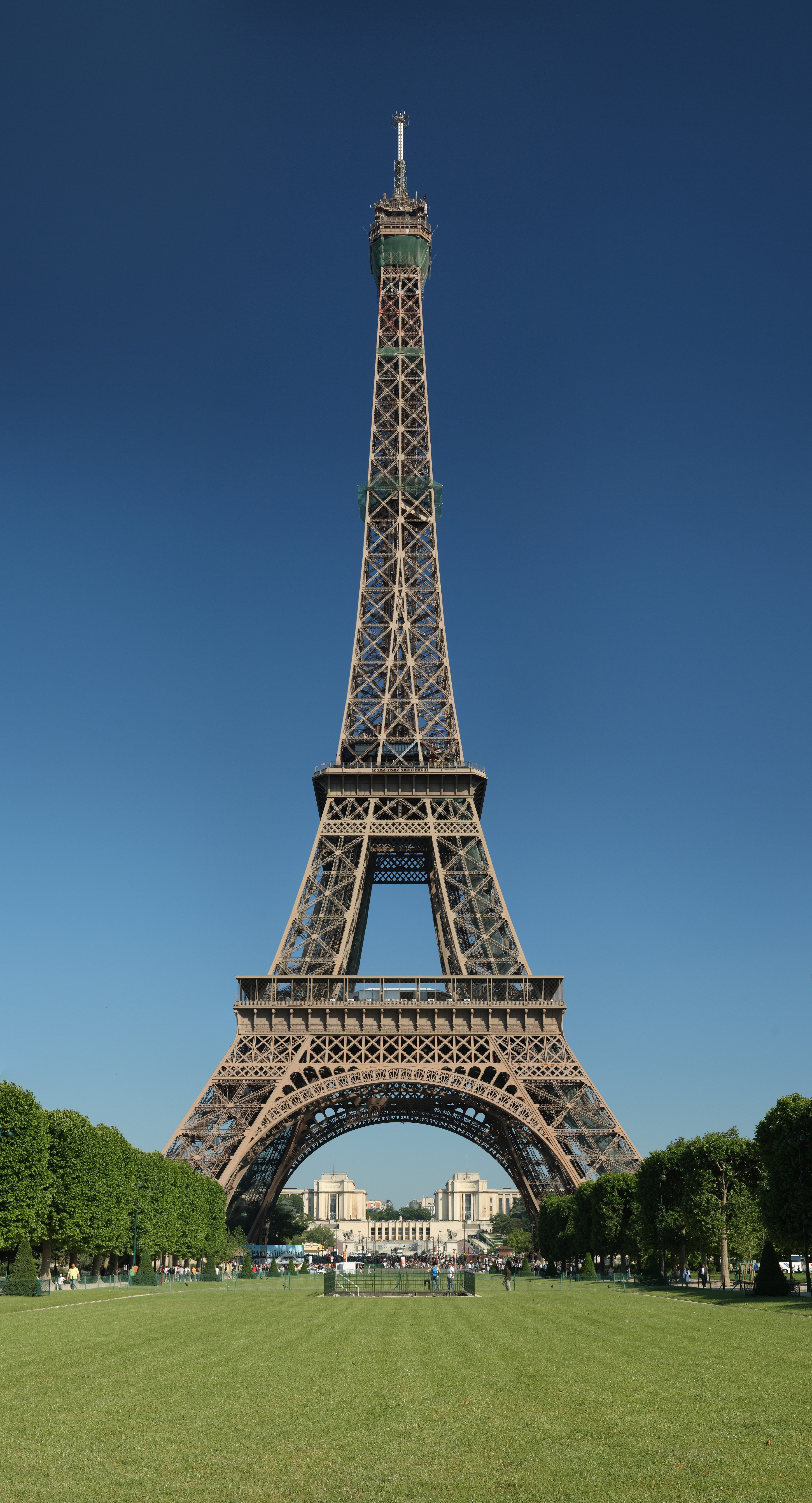

Paris never goes out of style — but it does reward the people who slow down in it. This is a city built for long lunches, for wandering from one beautiful street into the next, and for sitting in a garden chair doing absolutely nothing, very well. You can race through Paris in two days and tick off the postcards. Or you can do it the Parisian way. These are the eat, stay and play picks I send my clients — the ones that make a Paris trip feel like the second kind.
Where to eat in Paris
Le Train Bleu — My favourite dining room in Paris, hidden in plain sight inside Gare de Lyon station. Le Train Bleu opened in 1900 and is pure Belle Époque: gilded mouldings, frescoed ceilings, leather banquettes and waiters who take the theatre of it seriously. Travellers rush through the station below; upstairs, Paris is having lunch the way it did a century ago. Come for the room as much as the food — it’s the most beautiful “station restaurant” in the world, and it isn’t close.

Bouillon Chartier — The classic Parisian canteen, serving since 1896 in a soaring Belle Époque dining room near the Grands Boulevards. Bouillons were invented to feed working Paris well and affordably, and Chartier still honours the idea: traditional French dishes, brisk white-jacketed service, and a room that is a historic monument in its own right. Expect a queue at peak times — it moves, and the room alone is worth it.

Breizh Café — The Marais address for crêpes done properly. Breizh Café is Breton at heart: buckwheat galettes with good butter and proper fillings, sweet crêpes to finish, and Breton cider served the traditional way. It’s a small place with a big reputation, so go a little early or a little late — this is my pick when clients want a Paris lunch that feels local rather than landmark.
Du Pain et des Idées — A bakery worth crossing the city for, in a beautiful old shop near the Canal Saint-Martin. Baker Christophe Vasseur is famous for doing a small range of breads and pastries exceptionally well — the croissants and the signature pain des amis are the ones people talk about, and they’re right to. My advice: buy more than you planned, then walk the canal and eat the extra one on a bench. That’s not a mistake, that’s the itinerary.
Septime — The modern end of Paris dining: a relaxed, wood-and-concrete dining room serving one of the city’s most admired tasting menus. Septime holds a Michelin star but none of the stiffness — the cooking is inventive, seasonal and quietly confident. One practical note, the same one I put on the carousel: book ahead. Tables here are planned-around, not walked-into.
Where to stay in Paris
Hôtel Plaza Athénée — The avenue Montaigne icon: red geraniums on the balconies, the Eiffel Tower in the view from many rooms, and a position right in the heart of the luxury shopping triangle. This is grand Paris at full polish — the address for travellers whose hotel is part of the occasion.
Le Bristol Paris — A palace hotel on Rue du Faubourg Saint-Honoré with something rare in the centre of Paris: a proper garden courtyard to retreat to, plus a rooftop pool with views over the city. Old-school elegance, delivered warmly. I reach for Le Bristol when clients want classic Paris that still feels calm at the end of the day.
Cheval Blanc Paris — The contemporary landmark, inside the restored La Samaritaine building by Pont Neuf, looking straight onto the Seine. Big river views, a serene spa, and one of the great rooftop terraces in the city. If your Paris is design-led and river-facing, this is the name at the top of my list.
Hôtel Costes — The see-and-be-seen address on Rue Saint-Honoré: moody, candlelit, fashion-week famous, with a courtyard terrace that has been a Paris institution for decades. Costes is not the quiet choice — it’s the glamorous one, and for the right traveller that’s exactly the point.
Hôtel des Grands Boulevards — My boutique pick: a chic, playful hotel on the Grands Boulevards, in an 18th-century building with a leafy courtyard and a rooftop for summer evenings. It’s central without being stiff — the hidden-gem stay I suggest when clients want Parisian style at a more human scale.
What to do in Paris (beyond the obvious)
Musée d’Orsay — The great Impressionist collection, housed in a Beaux-Arts railway station on the Seine — the building, with its giant clock windows, is half the pleasure. Monet, Renoir, Degas, Van Gogh: the rooms everyone comes for are the ones that fill first, so my standing rule applies — arrive at opening, while the galleries are still quiet.

Sainte-Chapelle — A 13th-century royal chapel on the Île de la Cité, built to house King Louis IX’s relic collection — and essentially a lantern of glass. Fifteen enormous stained-glass windows cover the upper chapel, telling Bible stories in jewel colours. Go when the sun is out if you can; on a bright morning the whole room glows. It’s small, it’s fast to visit, and it stuns everyone.

Montmartre & Sacré-Cœur — The village on the hill. Go early, while the lanes are still waking up, climb to the white basilica of Sacré-Cœur for the panorama over the rooftops, then drift down through the vineyard streets and café squares. If you can, come back at the end of the day — Montmartre at sunset, with the city turning gold below, is the Paris people write home about.

A Seine stroll & the Bouquinistes — The cheapest great experience in Paris: a slow walk along the river, browsing the dark-green bookstalls of the bouquinistes that have lined the banks for centuries. Old prints, vintage posters, secondhand books — you may buy nothing, and it will still be one of the hours you remember. Cross a bridge or two. Linger. That’s the whole plan.
Luxembourg Gardens — Picnic like a local. Pick up supplies from a bakery and a traiteur, claim a green metal chair (or a patch of lawn where sitting is allowed), and watch Paris do its weekend: children sailing toy boats on the fountain, students reading, old men playing chess. Slow travel doesn’t get simpler than this — a garden, a baguette, and nowhere to be.

How I’d spend one slow day in Paris
If you gave me one day and told me not to rush, it would look like this. The Orsay at opening, Impressionists before the crowds. Then a wander up to Sainte-Chapelle while the light is still in the glass. Lunch at Bouillon Chartier — early, before the queue builds. A slow afternoon in the Luxembourg Gardens with a bakery bag and a chair in the sun. Then up to Montmartre as the light turns, Sacré-Cœur above a golden city. And dinner at Le Train Bleu, in that gilded room, in no hurry at all. In Paris, the day isn’t a list to finish. It’s a pace to settle into.
Planning a trip?
I plan custom Europe trips with no planning fees — tell me your dates and how you like to travel, and I’ll build the Paris days around you.
DM me ‘PARIS’ on Instagram @travelwithheike, or email travelwithheike@yahoo.com.
— Heike, Travel with Heike
Leave a Reply